Where to eat well in Milan without ending up in tourist restaurants
Eating well in Milan does not necessarily mean booking a table at the most famous restaurant in the city centre or following rankings that repeatedly recommend the same addresses. The city offers a much broader gastronomic scene, spread across university districts, residential neighbourhoods and multicultural areas where restaurants, trattorias and international cuisines cater mainly to those who live, study or regularly return to Milan.
To understand where to eat well in Milan without ending up in tourist restaurants, it is therefore better to start with the neighbourhoods rather than individual venues. Viale Bligny and the Bocconi area attract a young and international crowd; Porta Romana combines trattorias, contemporary cuisine and more refined restaurants; Città Studi retains a spontaneous university character; Porta Venezia, Isola and NoLo, meanwhile, reveal an open, multicultural Milan that is constantly evolving.
There is no need to search at all costs for an unknown restaurant or a supposedly secret address. It is often enough to move away from the streets most heavily affected by tourism and choose an area also frequented by local residents. Prices tend to be more balanced, the selection more varied and the experience less artificial.
This guide does not offer a ranking of the best restaurants in Milan. Instead, it helps you choose the most suitable neighbourhood according to the type of cuisine, atmosphere and kind of evening you would like to experience.
How to choose where to eat in Milan without falling into tourist traps
A centrally located restaurant is not necessarily tourist-oriented, just as a venue on the outskirts is not automatically authentic. The first useful criterion is to observe the relationship between the restaurant and the neighbourhood in which it is located.
University districts, residential neighbourhoods and areas frequented by professionals need to serve a regular clientele. This often leads to a more substantial offering: menus that can change, prices suitable for guests who return several times and a level of quality that cannot rely solely on occasional passing trade.
The time of day also makes a difference. A neighbourhood suitable for a quick lunch may not be the best choice for a quiet dinner, while an area famous for aperitifs may feel too crowded for those looking for a more intimate dining experience.
Before choosing, it is therefore useful to ask:
- are you looking for an informal dinner or a more refined restaurant?
- are you interested in Italian regional cuisine or an international proposal?
- would you prefer a lively neighbourhood or a quieter area?
- are price, atmosphere or type of cuisine more important?
- would you like to continue the evening after dinner?
Starting with these questions genuinely helps narrow down the options. Milan does not have just one gastronomic district: it offers many different ecosystems, each with its own clientele, rhythms and recognisable personality.
Viale Bligny and Bocconi: regional and international cuisine at more accessible prices
The area between Viale Bligny, Bocconi University and the streets leading towards Porta Romana is one of the most interesting for those seeking variety, atmosphere and prices that are still relatively balanced.
The presence of Italian and international students has encouraged the development of a very broad gastronomic offering over the years. Alongside pizzerias and informal venues, there are restaurants specialising in Italian regional cuisine, Asian, Middle Eastern and South American options, small bistros and formats designed for quick but carefully prepared meals.
The main advantage of the area is the opportunity to choose according to the time of day. At lunchtime, quick options, affordable menus and venues suitable for a break between lectures, meetings or visits to the city tend to prevail. In the evening, the atmosphere changes: tables fill up, aperitifs last longer and restaurants become meeting places for students, young professionals and residents.
Viale Bligny is particularly suitable for those who would like to eat well without organising an overly formal evening. The atmosphere is lively and international, but it retains an everyday character. A regular clientele requires venues to provide consistency, not merely make a good impression on occasional visitors.
The nearby streets are also worth exploring. Moving towards Via Salasco, Via Ripamonti and Via Muratori reveals different cuisines and atmospheres, often with more accessible prices than the areas immediately surrounding the historic centre.
For those seeking an informal dinner, international cuisine or an aperitif followed by something to eat, the Bocconi area is therefore one of the most reliable starting points.
Porta Romana: refined restaurants, contemporary osterias and Milanese cuisine
A little further north, Porta Romana offers a different gastronomic experience. The neighbourhood is historic and residential, but over the years it has developed a mature dining scene capable of combining tradition, contemporary cuisine and venues designed for discerning guests without necessarily feeling formal.
Between Corso di Porta Romana, Via Muratori, Via Crema and Viale Montenero, visitors can find trattorias, regional restaurants, bistros, wine bars and more creative addresses. It is an area suitable both for a simple dinner and for a more structured evening, perhaps combined with a performance at Teatro Carcano or a walk through the neighbourhood.
Porta Romana works well because it maintains a rare balance. It is close to the centre, but does not depend exclusively on tourism. It is elegant, but not rigid. It offers sophisticated venues, but also neighbourhood restaurants to which residents and local professionals regularly return.
Those wishing to try Milanese or Lombard cuisine can look for contemporary osterias and trattorias that reinterpret risottos, filled pasta, meat dishes and traditional recipes without turning them into a folkloric display. At the same time, the neighbourhood welcomes regional cuisines from all over Italy and international proposals that are now fully integrated into Milanese gastronomic life.
It is one of the best areas for those who want to dine at a relaxed pace and continue the evening without travelling too far. After dinner, it is possible to have a drink, walk towards the centre or remain among the neighbourhood streets, where the atmosphere stays lively but is generally less congested than the Navigli.
For a carefully prepared dinner away from the most tourist-oriented circuits, Porta Romana remains one of Milan’s most reliable choices.
Città Studi: everyday Milan among students, trattorias and international cuisine
Città Studi is one of the most interesting areas for those who want to eat well without necessarily seeking a deliberately staged experience. The neighbourhood revolves around universities, residences, professional practices and a population that regularly frequents its venues.
This stable presence supports a practical and varied gastronomic offering. There are trattorias, pizzerias, international restaurants, small bistros and informal venues suitable for both lunch and dinner. Prices are often more balanced than in central areas and the atmosphere tends to be more relaxed.
Città Studi is particularly suitable for those who appreciate neighbourhoods where everyday life remains visible. Restaurants here do not need to attract only passing visitors, but must persuade students, residents and workers to return. This makes the offering less spectacular, but often more dependable.
The area works well for simple dinners, groups of friends and evenings without excessive formality. It is also a good choice for those seeking international or regional cuisines away from the most heavily travelled routes.
The neighbourhood does not have the theatrical character of Porta Romana or the fame of the Navigli, but it possesses a distinct identity. Eating in Città Studi means entering a more ordinary, lived-in and spontaneous Milan, where the right venue is chosen more for consistency and atmosphere than for notoriety.
Porta Venezia: one of Milan’s most international dining areas
Porta Venezia represents one of the city’s most cosmopolitan faces. The neighbourhood brings together long-standing residents, professionals, international communities, students and a public seeking gastronomic proposals beyond the most traditional Italian cuisine.
Between Corso Buenos Aires, Via Lecco, Via Melzo and the surrounding streets, visitors can find African, Middle Eastern, Asian and South American restaurants, as well as numerous contemporary venues. Alongside international cuisines, there are bistros, cocktail bars, wine bars and Italian restaurants with more creative approaches.
The strength of the area lies in its variety. It is possible to organise an informal dinner, choose a less familiar cuisine or begin with an aperitif and continue the evening in the same neighbourhood. Porta Venezia remains lively until late and makes it easy to move on foot between different venues.
Although it is one of Milan’s best-known areas, it is not exclusively tourist-oriented. Many restaurants serve a local and international clientele living in the city, maintaining an offering capable of accommodating different tastes and price ranges.
It is therefore one of the most convincing choices for those who wish to discover Milan’s multicultural dimension through food. There is no need to chase the restaurant of the moment: it is often enough to explore the side streets and choose an address naturally frequented by those who live in the neighbourhood.
Isola and NoLo: two different ways of experiencing contemporary Milan
Isola is now one of the most recognisable areas of contemporary Milan. Alongside more refined restaurants, there are bistros, wine bars and independent venues frequented by residents, professionals and a creative public.
It is a good choice for a more urban and contemporary dinner, especially for couples or small groups seeking quality and atmosphere without entering the more tourist-oriented circuits of the centre.
NoLo, by contrast, retains a more multicultural and experimental character. The presence of international cuisines, young venues and informal formats makes the area interesting for those who want to try something different, often at prices that remain relatively accessible.
The two areas have different identities, but share one important feature: they allow visitors to discover a less predictable gastronomic Milan, closely connected with the transformation of its neighbourhoods.
Which neighbourhood to choose according to the type of evening
The choice depends mainly on the experience you are looking for:
- Viale Bligny and Città Studi for more balanced prices and plenty of variety;
- Porta Romana for a refined dinner in an elegant but lively neighbourhood;
- Porta Venezia and NoLo for international cuisines;
- Isola for bistros, wine bars and contemporary venues;
- Bocconi for an informal evening among students and young professionals.
Eating well outside the most tourist-oriented areas often means finding a more local clientele, a less artificial atmosphere and a better balance between quality and price.
Eating well outside the centre can be a better choice
Moving away from the most tourist-oriented areas does not mean sacrificing quality. Often, the opposite is true: prices are more balanced, the clientele is more local and restaurants need to build a reputation that can last over time.
Neighbourhoods such as Viale Bligny, Città Studi, Porta Romana, Porta Venezia, Isola and NoLo allow visitors to choose between regional cuisines, international proposals and contemporary restaurants without depending on the most congested streets of the centre.
The main advantage is the opportunity to experience Milan at a more authentic pace. Dinner becomes part of discovering the neighbourhood rather than merely a stop between one attraction and another.
Where to stay to discover Milan’s gastronomic scene
To explore different parts of the city, it can be useful to choose a well-connected base in a quieter setting than the historic centre.
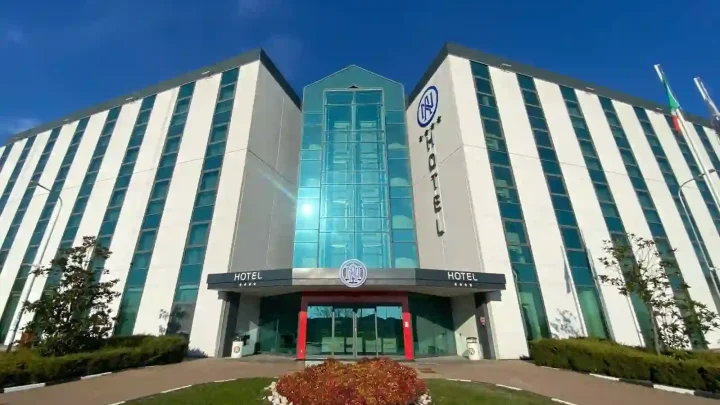
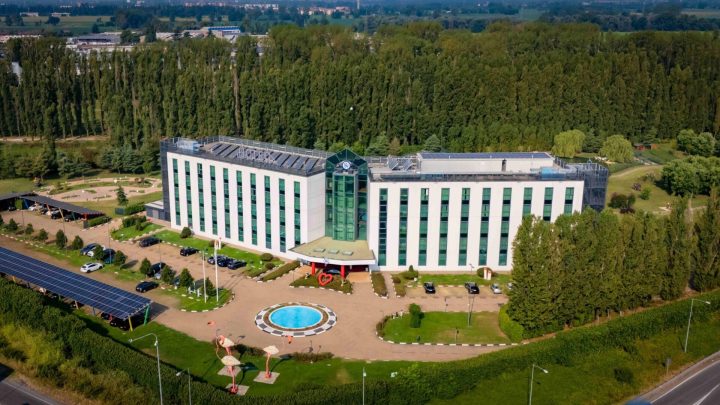
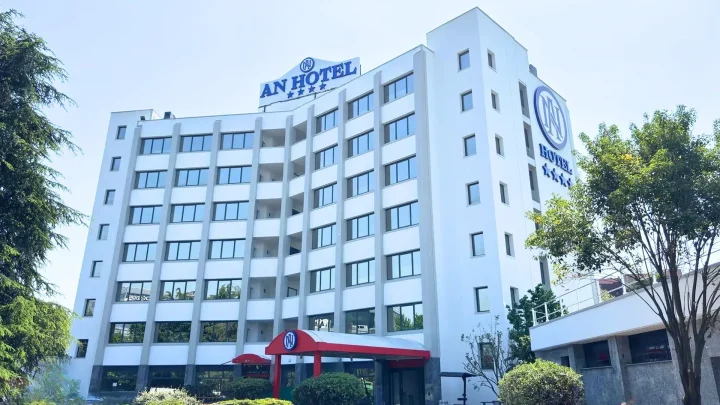
The three Milan properties of AN Hotels are:
- AN Hotel Milano San Donato ★★★★
- AN Park Hotel Milano Settala ★★★★
- AN Hotel Milano Melegnano ★★★★
The properties make it possible to travel towards Porta Romana, Bocconi, Città Studi and the other neighbourhoods mentioned, while retaining the option of returning to a more relaxed environment after dinner.
Comfortable rooms, parking and services designed both for leisure guests and business travellers make the hotels practical bases from which to discover Milan neighbourhood by neighbourhood.
Milan can also be discovered at the table, one neighbourhood at a time
There is no single right area in which to eat well in Milan. Every neighbourhood has a different clientele, rhythm and offering.
The best choice depends on the type of evening, the cuisine desired and the level of informality being sought. Avoiding tourist restaurants does not mean chasing secret addresses, but choosing areas where the city’s everyday life remains visible.
Milan also tells its story in this way: through a trattoria frequented by residents, an international restaurant, a contemporary bistro or a simple dinner in a university district.
The Ristoranti Privé at AN Hotels
The three AN Hotels properties host the Ristoranti Privé, dedicated to high-quality Italian cuisine prepared with seasonal menus and selected ingredients.
The Ristorante Privé at AN Hotel Milano San Donato and the one at AN Hotel Milano Melegnano are currently reserved for guests staying at the respective properties.
The Ristorante Privé at AN Park Hotel Milano Settala, on the other hand, is also open to external guests. It therefore represents an interesting choice for those who would like to dine outside central Milan in a refined and peaceful setting.
The offering of the three restaurants completes the stay and gives guests the opportunity to end the day with a well-constructed Italian dinner without having to travel again.
A more authentic gastronomic Milan
Eating well in Milan without ending up in tourist restaurants means above all choosing the right neighbourhood.
University, residential and multicultural areas often offer greater variety, more balanced prices and a more direct relationship with the city’s everyday life. Viale Bligny, Porta Romana, Città Studi, Porta Venezia, Isola and NoLo represent different ways of dining, but share the same ability to reveal a less predictable Milan.
The best choice does not depend on the most famous restaurant, but on the type of experience one would like to enjoy. An informal dinner, international cuisine, a contemporary osteria or a more refined restaurant can become the starting point for truly discovering the neighbourhood.
For guests staying at AN Hotels, the location in the south and south-east of Milan makes it easy to organise travel and return to a quieter environment after dinner.
Frequently asked questions about where to eat well in Milan
Where can you eat well in Milan without spending too much?
Viale Bligny, Città Studi and NoLo offer a good variety of informal venues, international cuisines and restaurants with prices that are often more accessible than in central areas.
Which are the least tourist-oriented areas in which to eat in Milan?
Porta Romana, Città Studi, NoLo and some parts of Porta Venezia are particularly interesting for those seeking a more local clientele and a less artificial atmosphere.
Where can you find international cuisine in Milan?
Porta Venezia, NoLo, Viale Bligny and Città Studi are among the areas offering the greatest variety of international cuisines.
Which neighbourhood should you choose for a more refined dinner?
Porta Romana and Isola are two good options for those looking for bistros, contemporary restaurants and venues with a more sophisticated atmosphere.
Are the Ristoranti Privé open to guests who are not staying at the hotels?
The Ristorante Privé at AN Park Hotel Milano Settala is also open to external guests. Those at AN Hotel Milano San Donato and AN Hotel Milano Melegnano are currently reserved for guests staying at the respective properties.
👉 Check availability and book now with AN Hotels
AN Hotels venues: excellence in Italian hospitality
AN Hotels brings together three 4-star hotels in the eastern and southern metropolitan areas of Milan, designed for those travelling for major events, work or pleasure. Three different structures, one common thread: a warm welcome, precise organisation and services designed to make every guest feel special.


AN Hotel Milano San Donato **** is a 4-star hotel located close to the Santa Giulia area and the Unipol Dome-Arena. Quiet rooms, contemporary furnishings, fast Wi-Fi and a breakfast designed to satisfy even the most demanding palates. Its proximity to the main roads and underground connections allows you to get around quickly and easily. For a gourmet dinner, the Privé restaurant inside the hotel awaits you.


AN Park Hotel Milano Settala **** is the jewel in the crown of the collection. Set in a large park with a swimming pool, children’s area and mini golf course, it offers the perfect balance between high-end hospitality and authentic relaxation. The spacious meeting rooms and elegant event spaces make it perfect for business meetings, hospitality during the Olympics and private evenings. Here, the days end with aperitifs in the park and elegant dinners in the Privé gourmet restaurant.


AN Hotel Milano Melegnano **** is ideal for those who want to stay away from the hustle and bustle, without sacrificing proximity to Milan and the main roads. Easy access, convenient parking and functional rooms guarantee true rest after busy days.


Discover the world of AN Hotels and continue exploring the Magazine for insights, travel tips and venue guides. The staff is on hand to help you choose the hotel that best suits your style of stay.
What are you waiting for? Book your experience now! info@an-hotels.com – +39 02 97071337